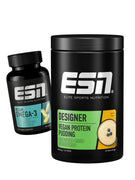
Omega 3 for performance and fitness
Even in second place, you still won't find a typical supplement for fitness and strength athletes. This is because the same applies when prioritizing dietary supplements as it does with nutrition: first take care of the basics, which are often neglected even with a balanced diet, and then specifically address performance enhancement. After all, only a healthy body can perform. And omega 3 fatty acids play an important role in a healthy body.
The omega 3 fatty acids EPA and DHA contribute significantly to maintaining a healthy triglyceride concentration in our blood. It is important to know that a poor triglyceride concentration particularly promotes the development of inflammation and slows down healing. In old age, this is particularly often manifested through joint inflammation, in young years through a poor complexion. [4]
Considering that every workout, every muscle stimulus causes minor damage to various tissues, which triggers inflammatory reactions, and that the omega 3 index as well as the ratio to other fatty acids is suboptimal in the majority of the population in Western Europe [5], it becomes understandable that supplementation makes sense. Although local micro-inflammation is important for muscle building, as it initiates repair and construction processes, these should also heal as quickly as possible. And this works optimally with a healthy triglyceride concentration, which very often depends on omega 3 supply.
According to current scientific findings, athletes seem to benefit from an omega 3 supplement not only from a health perspective but also from an athletic perspective. [6]
» Buy ESN Super Omega-3 Capsules now
Protein powder - To support muscle building and maintain muscles
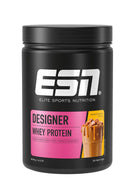
In third place is now the supplement that most people probably think of first when it comes to fitness, weight loss, or muscle building: protein powder. Proteins play a central role in muscle building and are also suitable for weight loss. On the one hand, they provide the important building blocks for muscle tissue, namely amino acids, and on the other hand, protein keeps you very full during a diet and ensures that the body does not tap into muscle reserves during a calorie deficit. That is why the International Society of Sports Nutrition also explicitly recommends a protein intake of 1.4 to 2.0 g per kilogram of body weight for athletes and even 2.3 to 3.1 g per kilogram during a diet. [7]
Why then is protein powder only in third place among the 5 most useful supplements for beginners? Quite simply, because unlike vitamin D and omega 3, you can realistically cover your protein needs through your diet. Of course, this is not exactly easy, not always particularly tasty, it restricts you, and requires meal planning. But it is possible. However, since it is often easier with protein powders, you should not unnecessarily make your daily life difficult when it comes to protein supply.
That is exactly why a good protein powder definitely belongs on a beginner's shelf. Because especially at the beginning, you struggle with protein supply. Protein powders are a very tasty and convenient, extremely versatile, and incredibly delicious way to meet your protein needs and get the necessary protein for muscle building and maintenance. Whether as a protein shake or as a flour substitute for delicious protein pancakes, muffins, cakes, or whatever other delicacies there are.
Which protein powder is right for you depends entirely on your diet. If you eat vegan, then a well-thought-out, plant-based multi-component protein powder is right for you. By combining different plant-based protein sources, a high biological value is achieved, which is in no way inferior to animal protein. If you also consume animal products, then a high-quality Whey Protein is the right choice for you. If you like it particularly creamy and long-lasting satiety, then you can also try a protein powder with casein.
» Buy ESN Protein Powder now
Creatine for optimal energy supply
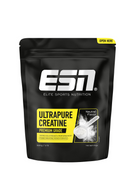
You have probably heard of or read about creatine if you have been researching supplements in connection with fitness and strength training. This is not surprising, as it is the only dietary supplement that has been proven to have a significant strength-enhancing effect. In addition, it is one of the best-researched supplements of all. It is no wonder that the European Food Safety Authority has confirmed that daily intake of creatine can increase muscle strength. [8] And by 5 to 15%! [9]
Simply put, creatine replenishes the energy required for muscle work during intense, short-term exertion. It ensures that the limited energy providers can be regenerated in the form of ATP. This means you can do one or two more repetitions per set. Since training volume – i.e., the repetitions performed – is one of the key factors for successful muscle building, this also means more effective muscle building in the long term.
Since your body can only synthesize 1 to at most 2 grams per day and you can realistically only supply about 1 gram of creatine per day through your diet, you are not utilizing the full potential of creatine. The creatine requirement of normally active people is already 3 to 7 grams, which means that at best you are just covering the minimum requirement. Sports-active people naturally need more due to the increased consumption, which is why a creatine supplement also offers a lot of potential for beginners.
In connection with creatine, myths often arise that it makes you bloated and that taking it would reduce your body's own production. That is why you should take creatine for a maximum of a few weeks. The first myth stems from the fact that creatine binds water in the body. However, creatine is stored in the muscles and not under the skin. Therefore, you do not get bloated, but the muscles become slightly fuller. The second myth is completely untrue. It is true that the body's own production is reduced if enough is supplied through food, but it is also immediately stimulated again if too little creatine is taken. That is why the current state of science is that creatine should be taken continuously. [10]